
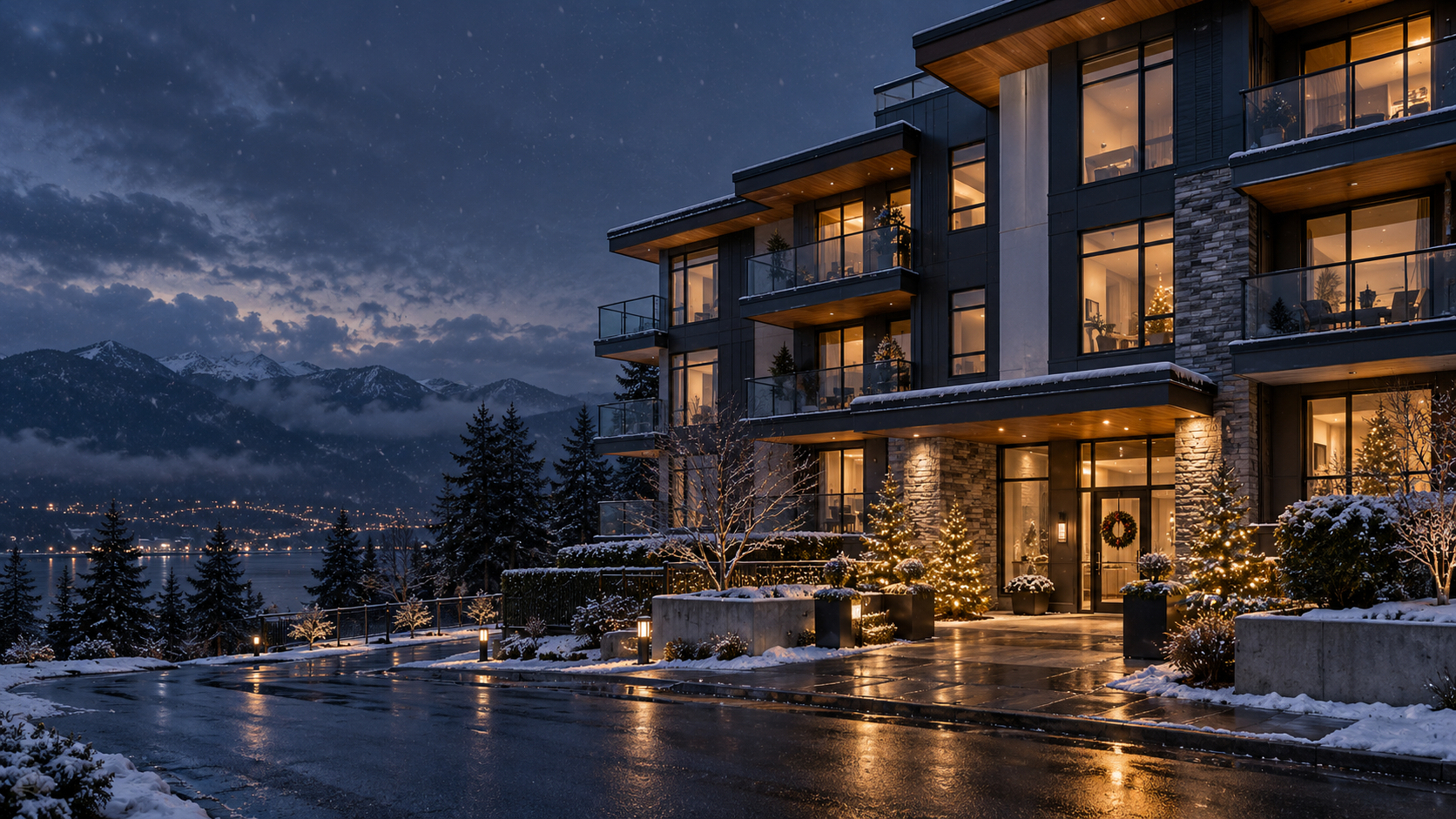
Winterizing Your Property Starts with the Building Envelope
Winter in the BC Lower Mainland brings months of rain, wind, moisture, and fluctuating temperatures. For strata and commercial properties, these conditions can expose small weaknesses in the building envelope and turn them into costly repairs.
Winterizing is not just about cleaning gutters or preparing exterior areas. It is about ensuring the entire building envelope is ready to keep water out and protect the structure throughout the season.
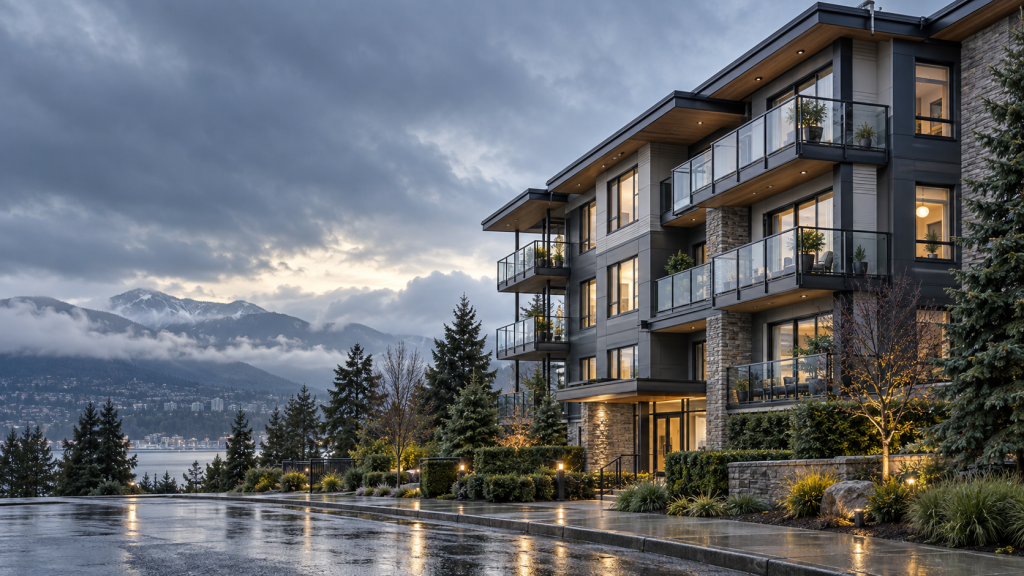
What Is the Building Envelope?
The building envelope is the protective system separating the interior of a property from the elements. It includes the roof, siding, windows, doors, balconies, flashing, sealants, and other exterior components.
These systems must work together. A small failure in one area can allow moisture to travel behind exterior materials, where damage may continue unnoticed.
Why Winter Is Hard on Buildings
Heavy rainfall and wind driven moisture can find their way into small cracks, deteriorated sealants, damaged siding, and improperly sealed transitions. Temperature changes can also cause building materials to expand and contract, making existing weaknesses worse.
Once water enters the building envelope, it can contribute to:
• Wood rot and structural deterioration
• Mould and moisture buildup
• Interior leaks and staining
• Damaged insulation
• Premature coating and paint failure
• Expensive emergency repairs
Many of these problems begin long before visible damage appears inside the building. That is why preventative inspections are so important.
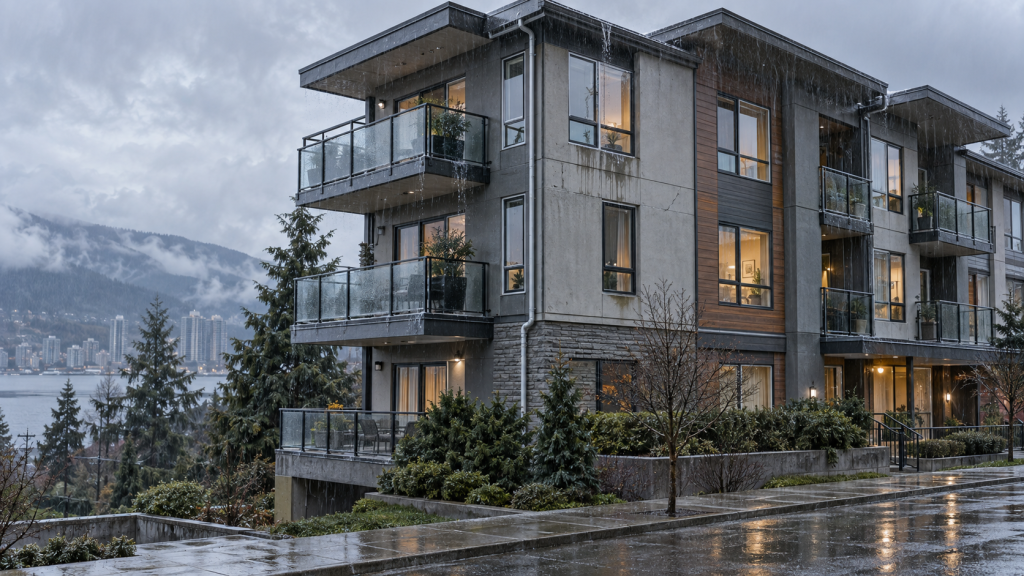
Key Areas to Inspect Before Winter
Roofs and Drainage Systems
The roof is one of the property’s first lines of defence. Loose materials, damaged flashing, moss buildup, and blocked drainage systems can prevent water from moving safely away from the building.
Gutters, downspouts, and drains should be cleaned and checked for leaks, damage, and poor drainage before periods of heavy rainfall.
Sealants and Exterior Joints
Sealants around windows, doors, penetrations, and material transitions naturally deteriorate over time. Cracking, shrinking, or separation can leave direct openings for moisture.
Replacing failed sealants before winter helps maintain a continuous barrier around the building.
Siding, Trim, Fascia, and Soffits
Cracked siding, loose panels, damaged trim, and deteriorated fascia or soffits can allow water behind the exterior surface. Even minor deficiencies should be documented and addressed before prolonged wet weather makes them worse.
Windows and Doors
Windows and doors should be inspected for failed seals, damaged frames, staining, and signs of previous water intrusion. The surrounding flashing and sealant are just as important as the window or door itself.
Balconies, Decks, and Exterior Surfaces
Balconies and decks are constantly exposed to rain. Cracked coatings, failed membranes, blocked drains, and deteriorated connections can allow water into the supporting structure.
Protective coatings and waterproofing systems should be inspected regularly to ensure they are still performing as intended.
Cleaning Is Part of Building Envelope Maintenance
Exterior cleaning is more than a cosmetic service. Moss, algae, dirt, and organic buildup can trap moisture against building materials, hide deficiencies, and interfere with inspections or repairs.
A properly cleaned surface makes it easier to identify cracks, failed sealants, damaged coatings, and other areas of concern. It also helps prepare the property for repairs, painting, waterproofing, or protective treatments.
Prevention Costs Less Than Emergency Repair
A minor repair completed before winter may prevent a much larger restoration project later. Once water travels behind the exterior surface, the visible damage may represent only a small part of the actual problem.
Proactive maintenance gives property managers and strata councils time to review priorities, plan budgets, and complete work before conditions become urgent. It also supports the long term performance and value of the property.
Build a Stronger Maintenance Plan
Effective winter preparation should follow a clear sequence:
- Inspect and identify areas of concern
- Clean surfaces so the building can be assessed accurately
- Repair deficiencies within the building envelope
- Restore sealants, coatings, and waterproofing systems
- Document completed work and future maintenance needs
- Schedule ongoing inspections and preventative maintenance
This comprehensive approach helps prevent repeated work and ensures new paint, coatings, and exterior finishes are being applied over a sound building envelope.
Protect Your Property Before the Weather Finds the Weak Points
Winter has a way of revealing problems that were easy to overlook during the dry season. Taking action before those problems become active leaks can protect the building, reduce unexpected costs, and extend the lifespan of exterior materials.
Monolith Contracting Group works with strata councils, commercial property managers, building owners, and facility managers throughout the BC Lower Mainland. Through inspections, exterior cleaning, building envelope repairs, waterproofing, protective coatings, and ongoing maintenance planning, we help properties prepare for the conditions ahead.
To discuss winterizing your strata or commercial property, contact Monolith Contracting Group.